Biomedical Engineering
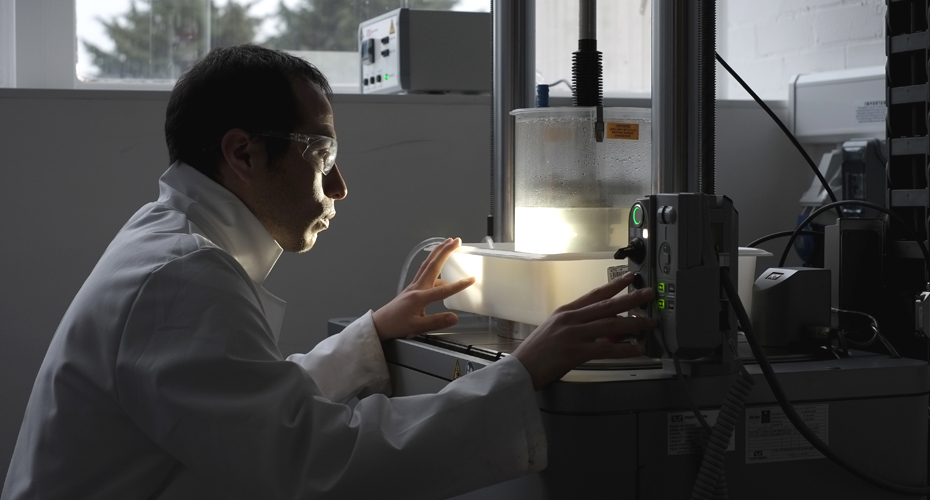

The University of Exeter Biomedical Engineering Group completes research to improve understanding, diagnosis, management, and treatment of disease, with a specific focus on the musculoskeletal system, and the use of implantable, wearable, and ingestible devices. We use data-driven approaches across in vivo, in vitro, and in silico environments, at multiple scales, to provide a greater understanding of how the body moves and tissues are loaded, how that affects both the cells and extracellular matrix, and how changes occur during the development and progression of disease. We are also interested in using this knowledge to develop and evaluate preventative, conservative, surgical and regenerative interventions to improve health and patient outcomes.
Find out more
| Group members | Role |
|---|---|
| Prof Tim Holsgrove | Biomedical Engineering Research Group lead - Associate Professor of Biomedical Engineering |
| Prof Junning Chen | Associate Professor of Bioengineering |
| Dr Xijin Hua | Boyden Lecturer in Engineering |
| Prof Yang Liu | Professor of Dynamics and Control |
| Prof Akbar Javadi | Professor of Geotechnical Engineering |
| Dr Dong Wang | Senior Lecturer in Engineering and Entrepreneurship |
| Dr Kai Xie | Lecturer in Biomedical Engineering |
| Dr Kenneth Afebu | Postdoctoral research fellow |
| Dr Andrew Bickerdike | Postdoctoral research associate |
| Dr Guohui Wang | Postdoctoral research fellow |
| Associate members | Role |
| Prof Shaila Afroj | Associate Professor of Sustainable Materials |
| Dr Rupam Das | Senior Lecturer in Electronic Engineering |
Biomedical Engineering Research Laboratory
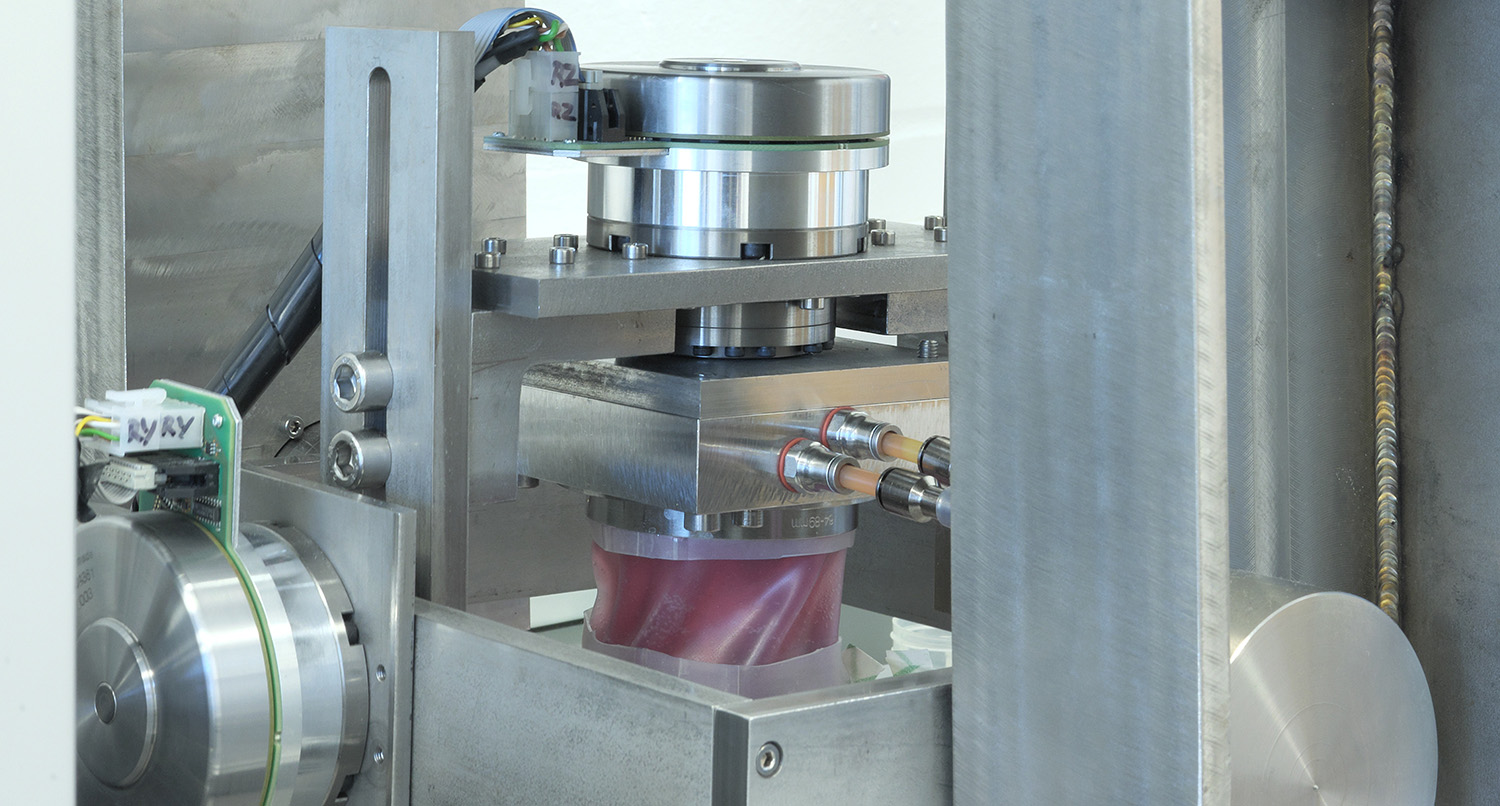
- Custom six-axis bioreactor for complex biomechanical and mechanobiological testing
- Tissue preparation and storage (-20°C and -80°C)
- Esco Airstream Class II biological safety cabinet
- Esco CelCulture CO2 incubator
- Priorclave Compact 40 autoclave
- Ductaire 700 fume hood
- Triple Red Geno type 2 water purification system
- Instron Elelctropuls E10000 dynamic testing machine
- Qualisys Miqus 6 camera motion capture system
- Fiso fibre-optic pressure transducers
- ADPM Opal wireless wearable sensors
- Scan IP+FE and Abaqus software for medical image processing and computational modelling
Academics and students
All academic and post-doctoral positions are advertised on the University website. PhD and research degree programmes and funding opportunities are listed on the University Postgraduate Research website. Applications from self-funded PhD students and visitors are welcomed at any time - please contact the relevant academic staff in the area of research you are interested in.
Companies
Group members have an excellent track record of working with companies through mechanisms such as InnovateUK, KTP and various Industrial PhD/EngD projects, plus direct consultancy. If your company is interested in our work and capabilities or would like to explore how we could work together, please contact the relevant academic staff.
Current and past projects
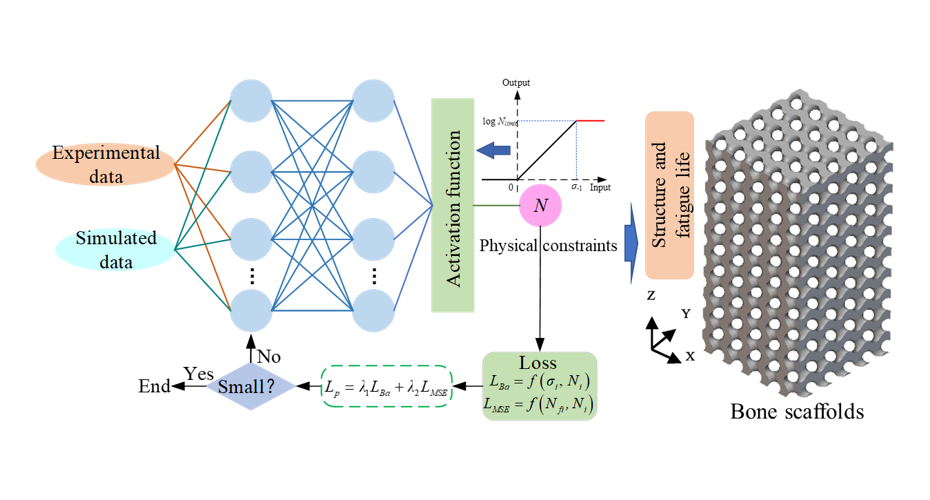
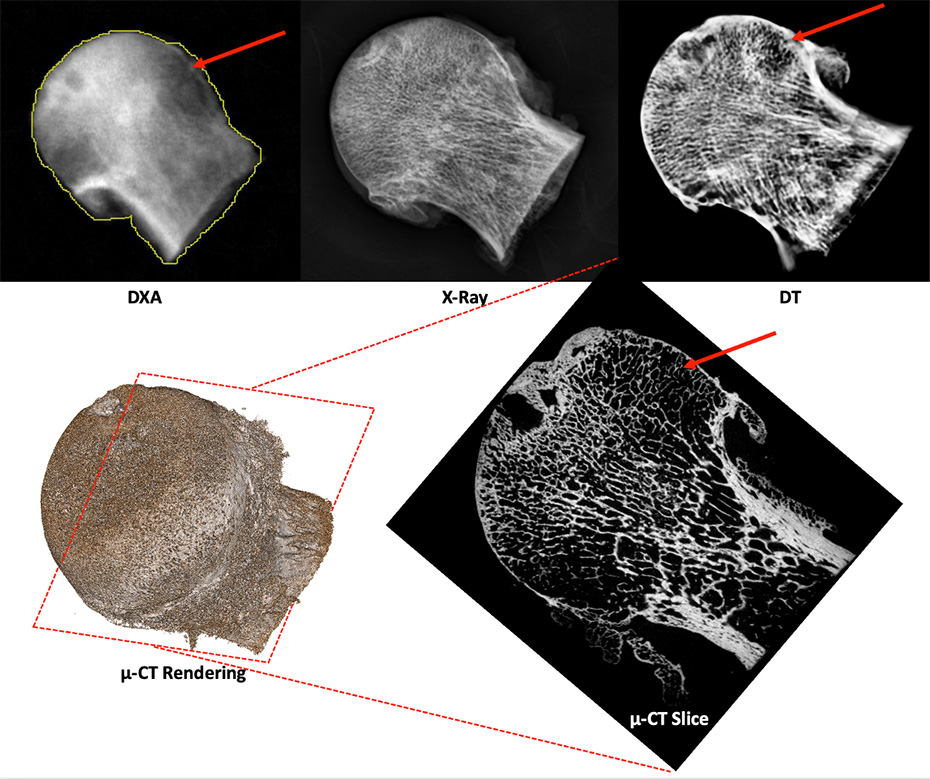
AID-Bone aims to develop an artificial intelligence (AI)-driven framework for the design and fatigue life prediction of 3D-printed bone scaffolds. By integrating multimodal experimental data, micro-CT imaging, finite element simulations, and machine learning techniques, the project will establish inverse design models to optimize scaffold architecture, porosity, and mechanical performance. Physics-informed neural networks will be developed to accurately predict fatigue life under physiological loading conditions. The project will deliver structurally optimized and fatigue-resistant bone scaffolds, providing a new paradigm for AI-assisted design and structural integrity assessment of biomedical implants and accelerating the clinical translation of advanced bone tissue engineering technologies.
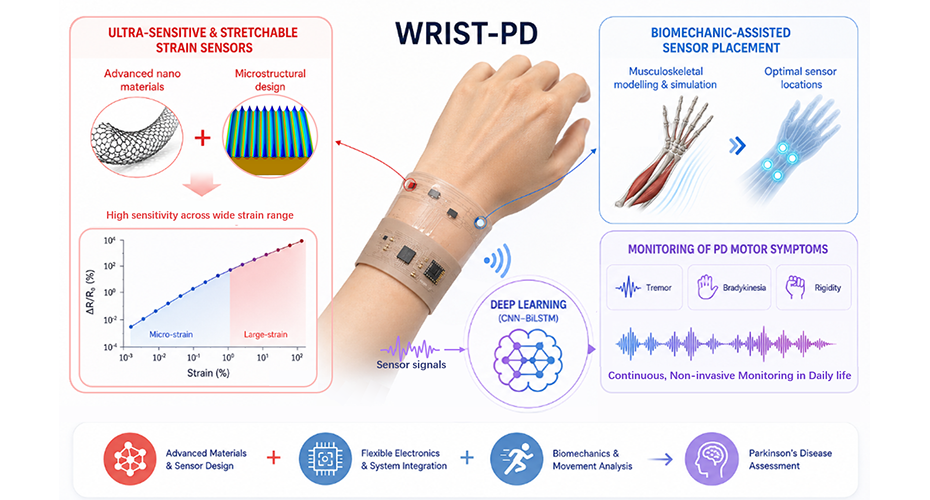
Continuous and objective monitoring of motor symptoms is essential for the early diagnosis, and personalized management of Parkinson’s disease. Wearable Resilient and Improved-sensitivity Strain-sensing Technology for Parkinson’s Disease (WRIST-PD) aims to develop an innovative and comfortable wristband system for continuous, non-intrusive monitoring of motor symptoms in daily life. The project combines advanced flexible materials, delicate microstructural design, biomechanics-guided sensor placement, wearable electronics, and artificial intelligence to enable sensitive detection of both subtle finger movements and gross wrist motions. Beyond supporting objective and personalized Parkinson’s disease management, WRIST-PD will advance next-generation wearable sensing technologies for healthcare monitoring and human motion analysis.

Ultrasonic cleaning offers a promising alternative to high-pressure water cleaning for concrete water tanks, using cavitation to remove mineral deposits and biofilms while minimising damage. The project will design and develop an novel ultrasonic transducer system onto an existing submarine Remotely Operated Vehicle (ROV) platform. It will test whether the system can clean tank walls, floors, pillars and pipework to an acceptable regulatory standard, more quickly and with less damage than current methods. Key research questions address cleaning effectiveness, reduction in concrete erosion, cost and energy efficiency, waste reduction, operator time, and the potential for partial automation.
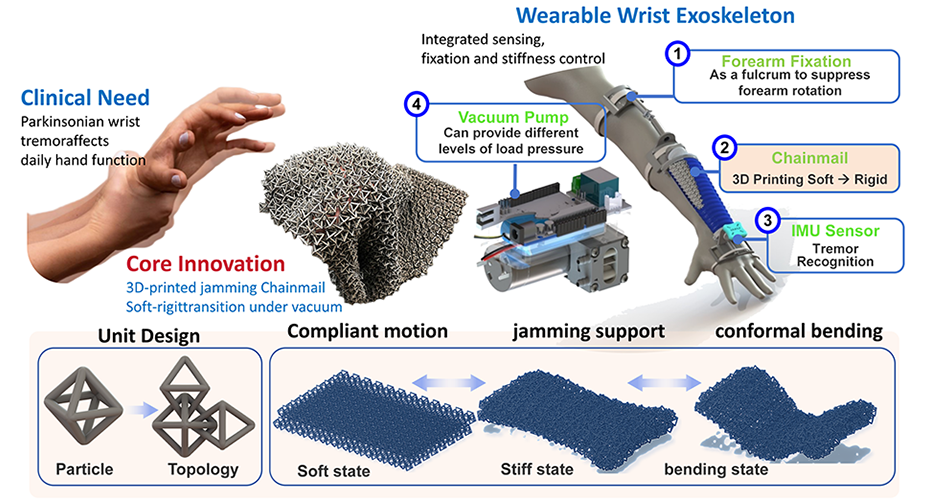
Parkinson’s disease (PD) is a progressive neurodegenerative disorder affecting over 10 million people worldwide. Tremors, experienced by about 80% of patients, can hinder daily activities such as eating, dressing, and washing, while also causing significant psychological distress. “NextTremor” aims to develop a new-generation wrist exoskeleton to help people with PD manage hand tremor in daily life. The lightweight, 3D-printed device remains soft and comfortable during normal movement, but can rapidly increase stiffness when sensors detect tremor, using a jamming-based chain-mail structure. By combining variable-stiffness mechanical design, motion sensing and patient-specific musculoskeletal simulation, the project aims to provide personalized support for tremors of different intensities while preserving natural hand function.
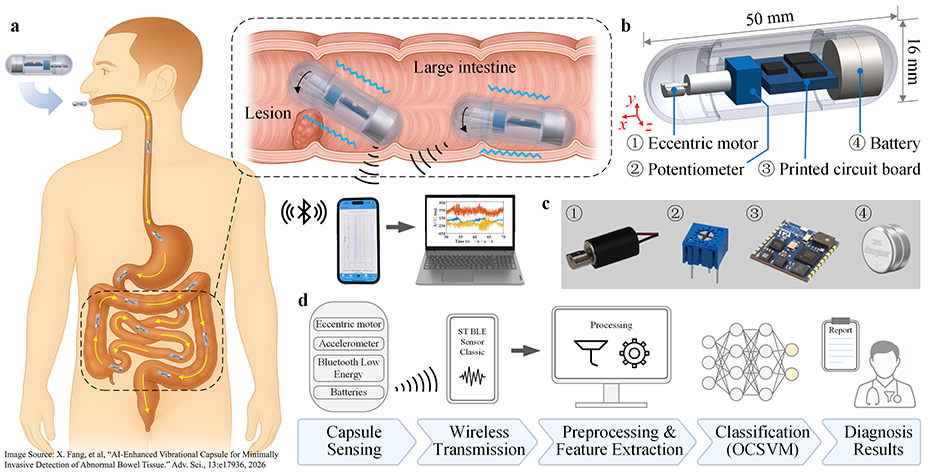
Bowel cancer causes nearly a million deaths per annum, and more than half of cases are fatal. Although early cancer detection can significantly improve patient outcomes, more than half of bowel cancer cases in the UK are diagnosed at a late stage. Detection of bowel cancer and pre-cancerous polyps is currently predominantly performed by either visual inspection of the colonic mucosa during endoscopy (colonoscopy), which is an invasive procedure, or by cross-sectional imaging, which is less reliable for small-sized lesions that are not easily visualised. If such polyps are not detected and removed at an early stage, there is a chance that they may become cancerous. Recently, direct visualisation of the colon using colonic capsule endoscopy has been introduced, but uptake by clinicians has been limited due to concerns about missed lesions with this modality, with potentially catastrophic outcomes for patients. This MRC-funded project (MR/Y503411/1) focused on the development of a prototype pill sensor in fusion with artificial intelligence to aid the detection of hard-to-visualise bowel lesions. In the long term, this work will initiate a new, minimally invasive, investigative modality for patients and clinicians that is comfortable, safe, reliable, accurate and cost-effective in the detection of pre-cancerous and early cancerous lesions.
WORMS was a Horizon Europe Guarantee fellowship developing mathematical tools for assessing how flexible micro-robots can sense metastatic cancer in capillaries adjacent to primary bowel cancer sites. The project combines flexible multibody modelling, fluid mechanics, contact mechanics, numerical analysis and experimental studies to understand microrobot–blood-vessel interactions and improve detection of hard-to-visualise metastasis. Hosted at the University of Exeter by Prof. Yang Liu, with secondment support from Prof. Antoine Ferreira at INSA Centre Val de Loire and clinical input from Dr Shyam Prasad, the work aims to establish a minimally invasive diagnostic modality while strengthening European collaboration in medical micro-robotics research networks.
AGENT was a Horizon Europe Guarantee fellowship at the University of Exeter focused on improving energy harvesting by controlling multistability in vibrating and impact-driven engineering systems. Led by Prof. Yang Liu with fellow Yahui Sun and secondment support from Prof. Przemyslaw Perlikowski at Lodz University of Technology, the project developed minimal-energy control strategies based on basins of attraction. Combining numerical analysis with experimental studies, it aimed to switch systems towards high-performance coexisting attractors while reducing control effort. The work supports reliable and efficient energy harvesting technologies, with relevance to energy, construction and manufacturing sectors, and strengthens collaboration in nonlinear dynamics.
The aim of this Innovate UK funded project (10055040) led by JockeyCam was to develop and embed the knowledge for sensor integration on jockey helmets to capture data on horse and rider movement in elite horse racing. This will facilitate an industry leading data-driven approach to improve jockey health, welfare, and performance, and an enhanced state-of-the-art, real-time entertainment experience for fans.
Over 100,000 Total Hip Replacements (THR) are performed annually in the UK, and most patients benefit immensely from the surgery. However, 12.3% of patients report pain in the operated hip 12 months after surgery, and 6.3% are dissatisfied with their operation. There is evidence that releasing fewer tendons preserves muscle quality, and may improve post-operative pain and function. However, evidence is currently limited. Therefore, this NIHR-funded single-centre, double-blinded, parallel three-arm, randomised, controlled, superiority trial (NIHR150537) is co-led by Al-Amin Kassam at the Royal Devon University Healthcare NHS Foundation Trust and Timothy Holsgrove at the University of Exeter, and will evaluate whether cutting two or one tendons improves outcomes compared to the standard posterior approach where three tendons are cut. Outcomes measures include patient pain, function, satisfaction, muscle damage, inflammation, physical activity and sleep quality.
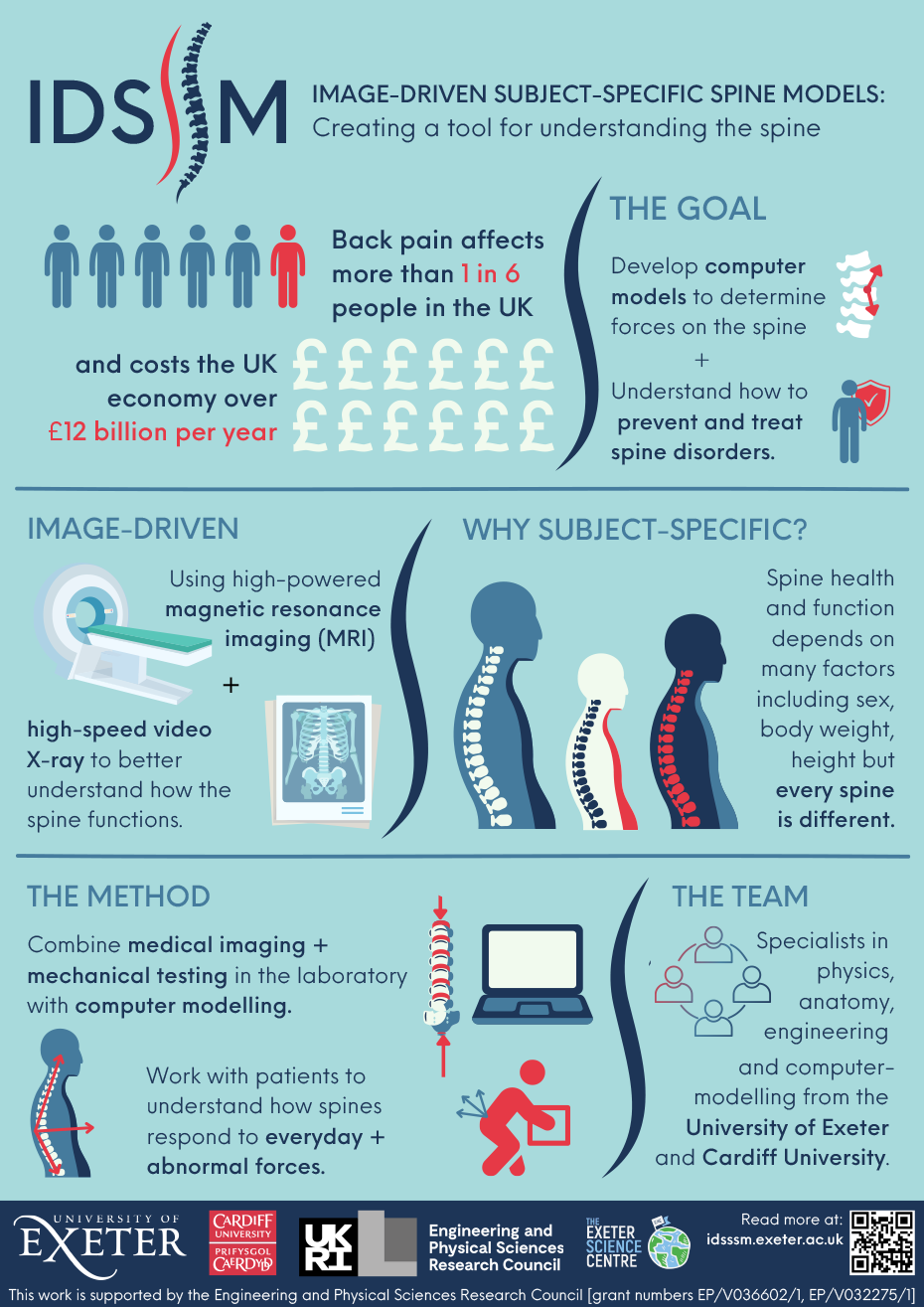
Many millions of people in the UK suffer problems with their spine or back. These problems incur a very high cost, both socially and economically, and we need to find ways of preventing or solving them. But to achieve this, we need high-quality tools that can help us understand how healthy spines function and what happens when they develop problems. Determining the force that an individual spine is experiencing is essential for understanding spine function. Abnormal forces are linked to many problems, including manual handling injury, disc degeneration, and back pain. Measuring force directly in the spine, however, is very invasive. Models provide a non-invasive method but, to provide accurate assessments, they need to include information about the individual.
This subject-specificity is essential because everyone has unique anatomy and tissues, and uses their spines differently. This EPSRC-funded project (EP/V036602/1) was focused on developing and testing 'image-driven subject-specific spine models' which have the potential to provide a tool for determining forces in the spine.
OMEGA was a Horizon 2020 Marie Skłodowska-Curie Individual Fellowship hosted at the University of Exeter to develop mathematical and computational tools for using vibrating micro-robots in bowel cancer screening. The project treated robots as non-smooth dynamical systems affected by vibration, friction and impacts, and focused on how multistability changes when a robot interacts with healthy or abnormal bowel tissue. By linking robot-lesion interaction to mechanical signatures of malignant transformation, OMEGA aimed to distinguish hard-to-visualise lesions and support cancer detection and staging. The fellowship combined numerical modelling, experimental studies and clinical input, with collaboration involving Exeter, ETH Zurich and NHS expertise.
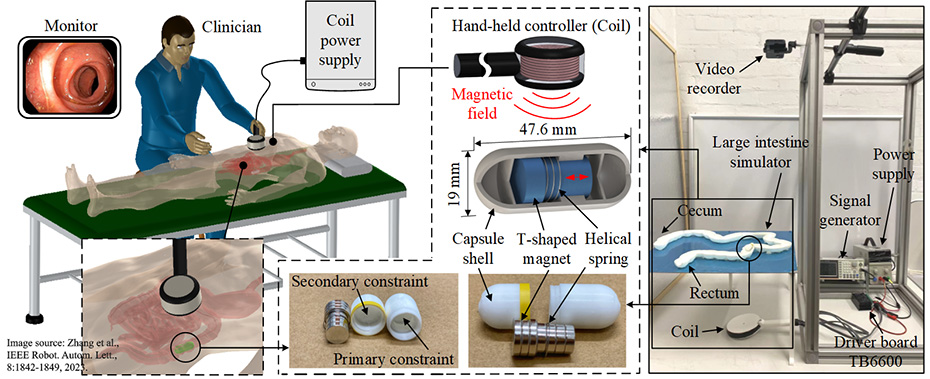
This EPSRC New Horizon project developed a framework for using the dynamics of vibrating micro-robots to support early bowel cancer detection. The core idea was that when a capsule robot encounters healthy or abnormal bowel tissue, changes in friction, impact and tissue mechanics alter its multi-stable motion, creating measurable signatures of lesions that are difficult to see during endoscopy. The work combined numerical analysis, experimental studies and clinical collaboration to relate robot-lesion interaction to cancer detection and staging. Reported outcomes include AI-assisted tissue evaluation methods, prototype pill-sensor development, and a pathway towards preclinical and in vivo validation for minimally invasive gastrointestinal diagnostics.
Back and neck pain are extremely common conditions globally, and the degeneration of the intervertebral disc is commonly associated with this pain, or is a contributor to the degenerative cascade leading to pain in other structures of the spine. The intervertebral disc is a complex structure, and both the mechanical and biological environment play an important role in the health and maintenance of the disc. However, the effect of complex physiological loading on the cellular behaviour in the disc is unknown, and this limits our understanding of disc degeneration, and our ability to adequately develop and evaluate regenerative treatments for disc degeneration.
This EPSRC-funded project (EP/S031669/1) led by Timothy Holsgrove developed and implemented the first six-axis bioreactor, which is capable of applying complex physiological loads to whole intervertebral disc cultures, providing unique opportunities to investigate the coupling of mechanical and biological environments relating to disc degeneration, and an advanced in vitro test platform for the development, optimisation, and evaluation of preventative, conservative, and regenerative treatments for the intervertebral disc.
This EPSRC project investigated how multi-stability in vibro-impact engineering systems can be controlled to improve energy efficiency and reliability. Using a vibro-impact capsule system as both a theoretical model and experimental platform, the research explored basins of attraction and developed energy-optimal strategies for switching between coexisting dynamical states. The work combined numerical analysis, continuation methods, and rig-based validation, producing new approaches for controlling multi-stable behaviour through position feedback. Its outcomes have relevance across power-intensive sectors, including drilling, rotary machinery, energy harvesting, pipeline inspection, and self-propelled medical capsules, where reducing unwanted vibration and improving controlled motion are important practical design goals.